Introduction
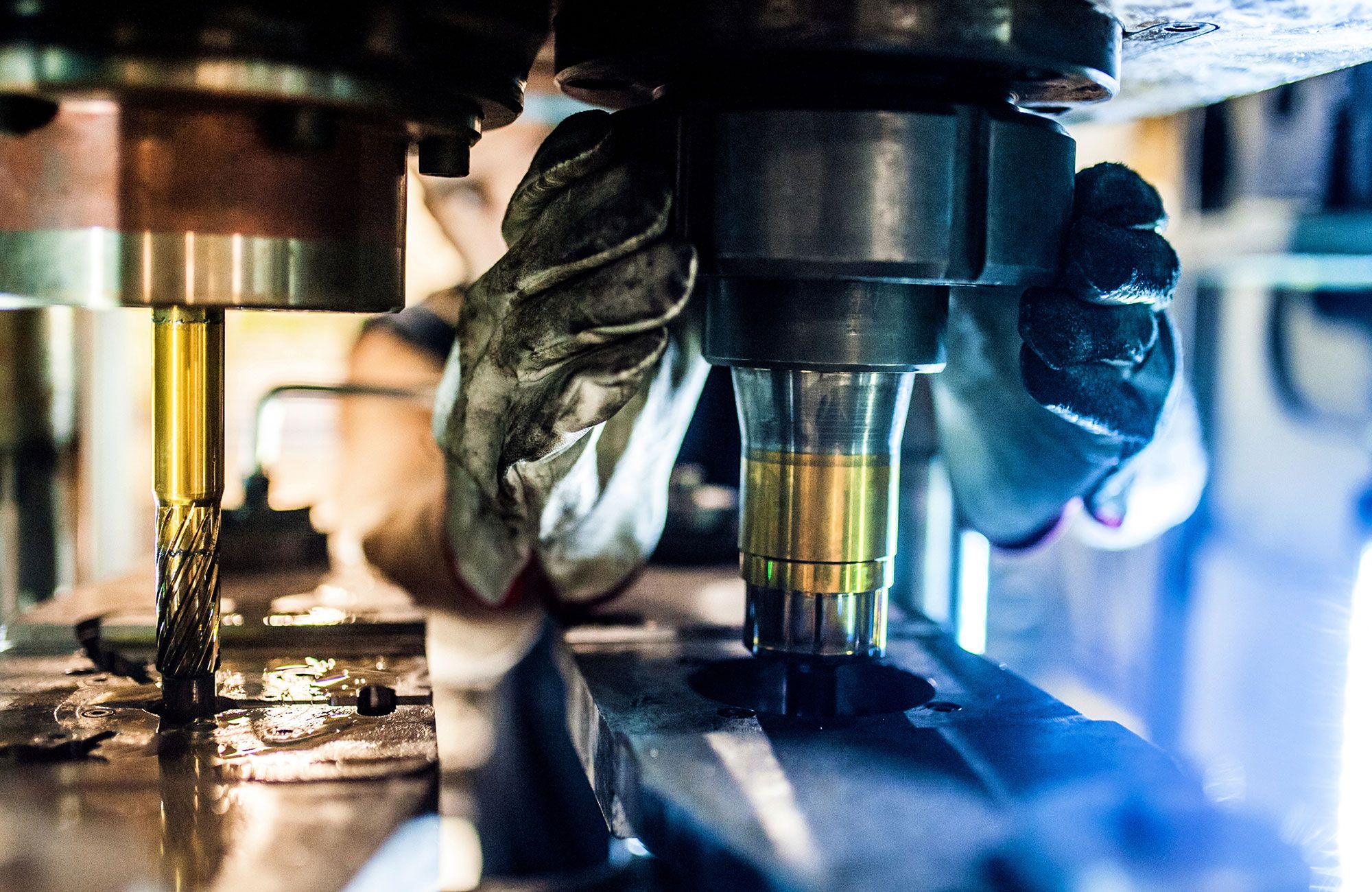
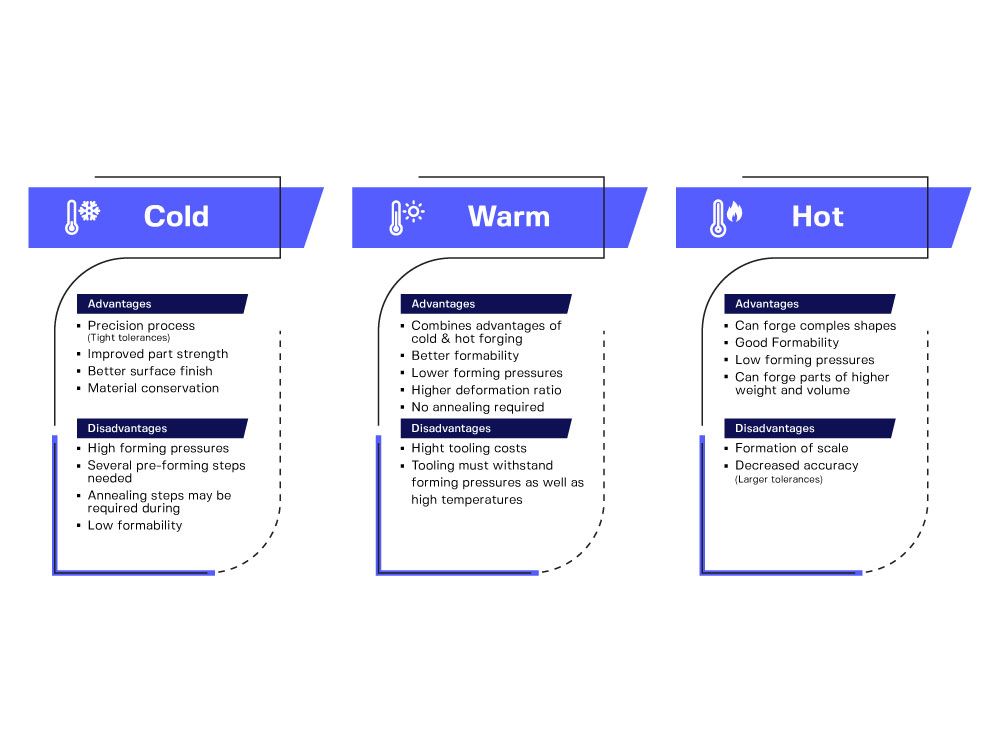
Cold forging, also known as cold forming, is a highly efficient manufacturing process that involves shaping metal at or near room temperature by inserting a billet into a die. This method offers numerous advantages over traditional machining and hot forging techniques. In this comprehensive guide, we will explore the technical aspects, advantages, and different types of cold forging, showcasing Custiv as a thought leader in this innovative technology.
Types of Cold Forging
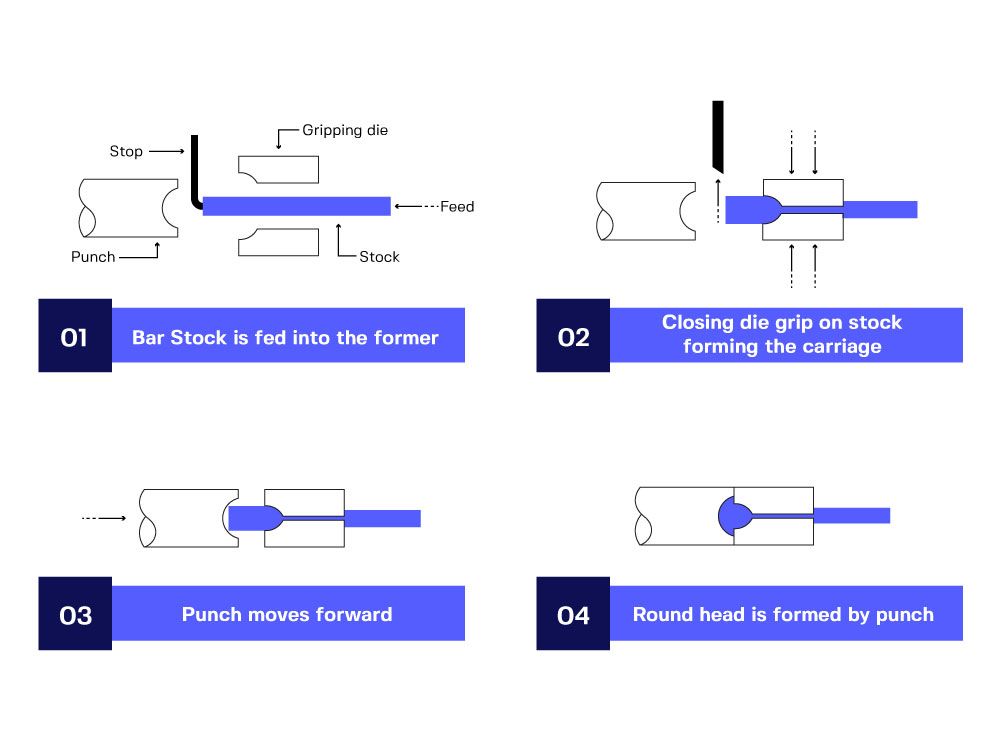
Cold forging encompasses various techniques, each with its unique advantages and applications. The three common types of cold forging are:
Closed Die Forging: In closed die forging, the workpiece is placed between two die halves and shaped through successive mechanical blows. The process involves pressing the workpiece against the shaping tool, resulting in precise and intricate part geometries. Closed die forging is widely used for producing complex components with high strength and dimensional accuracy.
Open Die Forging: Open die forging involves the gradual shaping of a workpiece through compressive forces without confining dies. The process allows for greater flexibility in producing custom shapes and larger components. Open die forging is particularly suitable for creating parts with specific mechanical properties and unique geometries.
Impression Die Forging: Impression die forging, also known as precision forging, uses dies with pre-formed impressions to shape the workpiece. This method allows for high precision and consistency in part production, making it ideal for complex components that require tight tolerances and intricate details.
Advantages of Cold Forging
Increased Productivity in High-Volume Situations
Cold forging significantly improves productivity in high-volume scenarios. By eliminating multiple-pass operations and reducing the need for secondary processing, this cost-effective method allows for the production of a large quantity of high-quality parts in a shorter time. The streamlined process and high-speed production capabilities make cold forging ideal for meeting demanding production requirements.
Enhanced Part Integrity and Strength
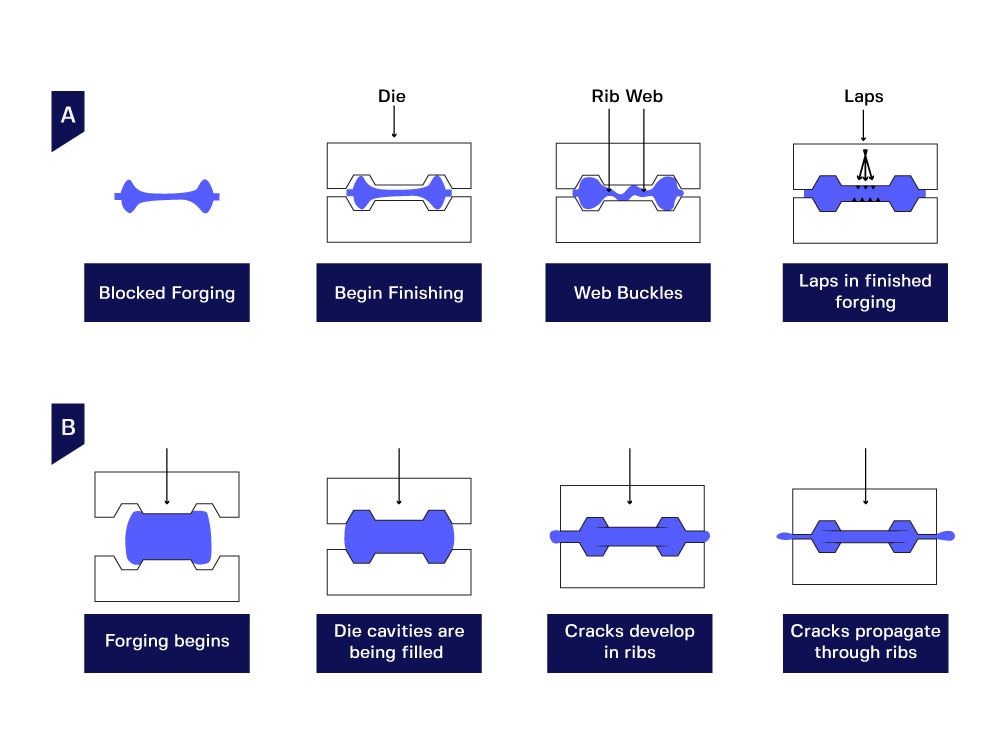
One of the key benefits of cold forging is its ability to significantly improve the strength and integrity of the final parts. Cold-forged components exhibit superior mechanical properties compared to those made through welding, powder metal processes, casting, or machining from raw bar/plate metal. The forging process aligns the metal's grain structure, resulting in parts with increased toughness, durability, and resistance to fatigue.
Efficient Production with Fast Turnaround
Cold forging enables rapid production as the workpiece is immediately shaped within the forging equipment. The insertion and extraction time is reduced to mere seconds, ensuring quick and efficient manufacturing processes. This makes cold forging an ideal choice for industries requiring fast turnaround times and just-in-time manufacturing.
Elimination of Adverse Material Reactions
Working with metals can introduce various issues in components, such as porosity and fatigue. Cold forging mitigates these concerns by enhancing the overall strength of the metal and eliminating the risk of material integrity loss. The resulting parts are free from defects, providing excellent performance, reliability, and resistance to adverse reactions.
Forge Better with Custiv
When it comes to meeting your cold forging needs, Custiv is at the forefront of innovation and expertise. With our deep understanding of cold forging processes, we provide exceptional solutions for closed die forging, open die forging, and impression die forging. We have successfully partnered with numerous manufacturers and start-ups, reducing lead times and overall costs through our digital manufacturing solutions.
At Custiv, we have meticulously curated a network of over 30 ISO 9001-certified cold forging facilities. These state-of-the-art facilities are equipped with advanced technology and possess extensive experience in producing high-quality forged components. By partnering with Custiv, you gain access to reliable and efficient forging facilities, ensuring the timely delivery of superior forged components that meet your exact specifications.
Our commitment to quality and excellence is unparalleled. We implement rigorous quality assurance protocols throughout the forging process, ensuring the reliability, durability, and adherence to industry standards of the components we deliver.
Applications of Cold Forging
Cold forging finds applications across a wide range of industries, where it offers numerous benefits. Some notable examples include:
Automotive: Cold forging is extensively used in the production of automotive components, such as steering and suspension parts, engine components, and transmission gears. The process provides exceptional strength, durability, and cost-effectiveness for these critical components.
Aerospace: Cold forging plays a crucial role in the aerospace industry, where high-strength and lightweight components are essential. It is employed in the production of landing gear components, wing attachments, and structural parts, providing superior mechanical properties and ensuring the highest levels of safety and performance.
Electrical and Electronics: Cold forging is utilized in the manufacturing of electrical connectors, terminals, and other electrical components. The process ensures excellent conductivity, durability, and precise dimensions, meeting the demanding requirements of the electrical and electronics industry.
Industrial Machinery: Many industrial machinery applications benefit from cold-forged components. These include gears, fasteners, shafts, and couplings, where the high precision, strength, and resistance to wear provided by cold forging are highly advantageous.
Forge Better with Custiv
Custiv is your trusted partner in achieving superior cold-forged components. With our expertise in cold forging processes and our vast network of ISO 9001-certified forging facilities, we ensure that your requirements are met with the utmost precision and efficiency.
Through our digital manufacturing solutions, we have successfully reduced lead times and overall costs for numerous manufacturers and start-ups. By leveraging our advanced capabilities and deep industry knowledge, you can optimize your production processes, enhance product performance, and gain a competitive edge in the market.
Contact Custiv today to learn more about our cold forging solutions, explore our network of top-tier forging facilities, and request a quote for your specific forging requirements. Let us help you forge a successful future with the power of cold forging technology.